
Moving to Rochester, MN
Whether you're relocating for Mayo Clinic, a new career, or a fresh start, this guide will help you confidently navigate every step of your move—from choosing the right neighborhood to settling into your new community.




Choosing a Neighborhood
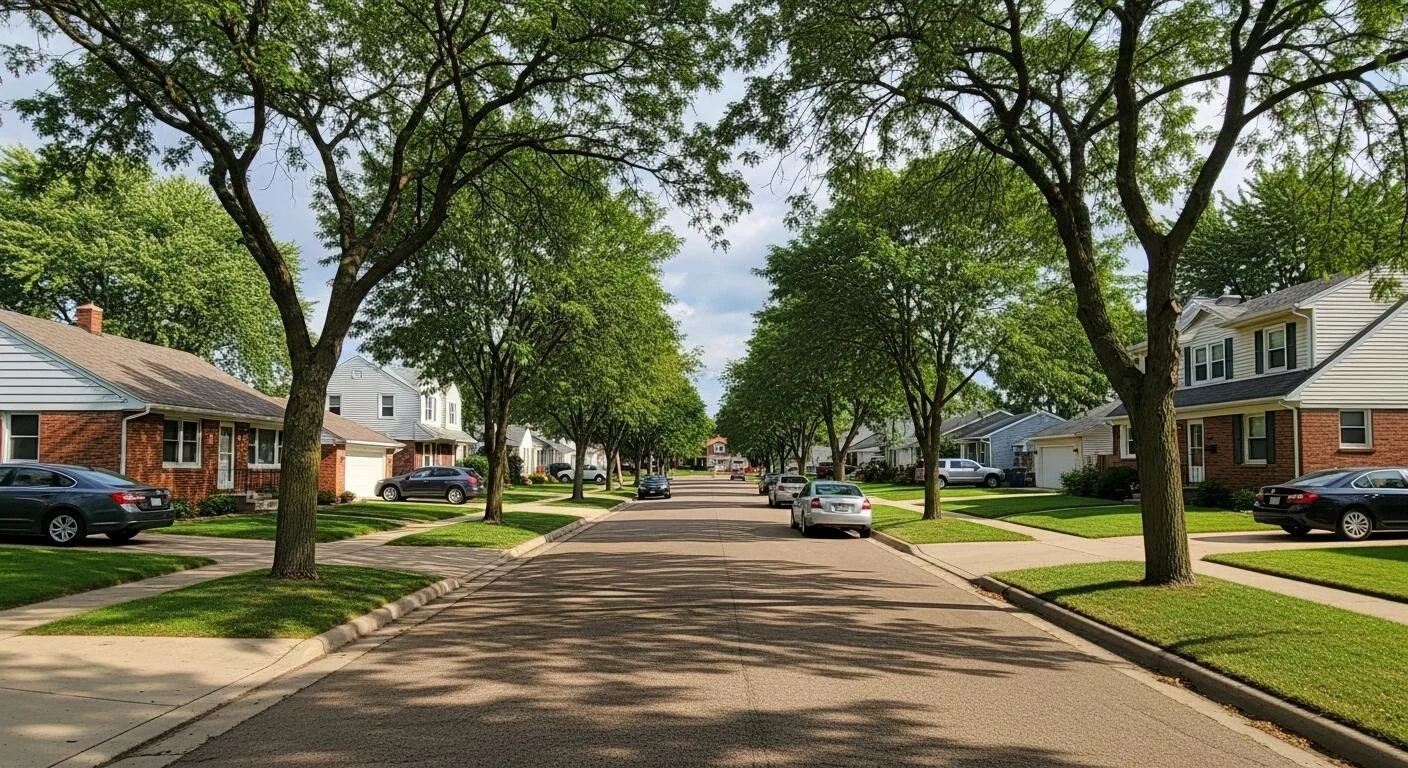
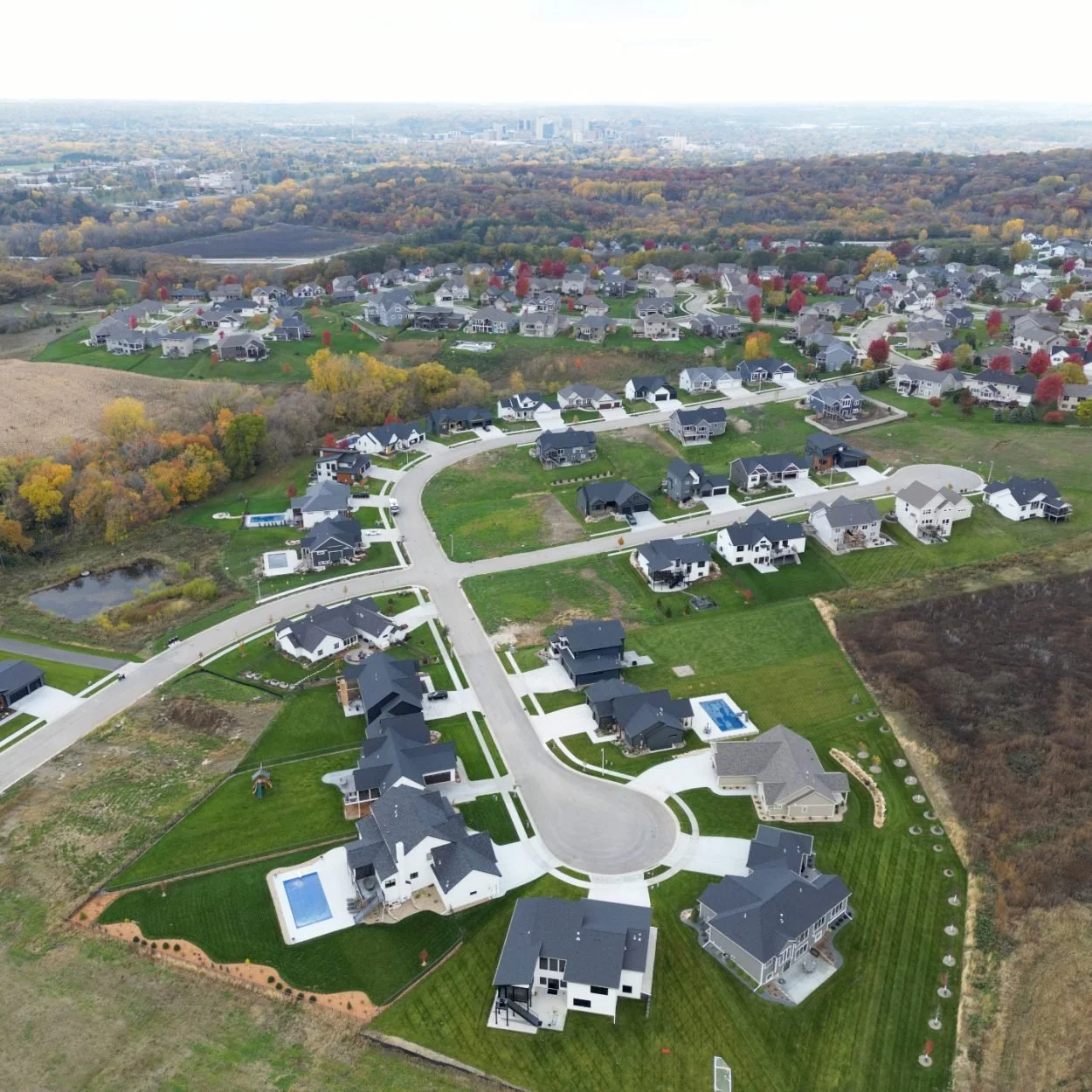
Rochester isn’t one uniform market. Neighborhoods close to Mayo Clinic and downtown put you within a short walk or bike ride of work, while areas like Century Valley, Prairie Ridge, and Pill Hill offer more space, newer construction, and a quieter pace with a slightly longer commute. Families often weigh school boundaries and yard size; physicians on tight schedules often weigh commute time above everything else.
Cost of Living
Rochester’s cost of living runs close to the national average, and noticeably lower than most major metros physicians relocate from. Median home prices generally fall in the high $300s to mid $400s depending on the neighborhood, property taxes are moderate by Midwest standards, and there’s no shortage of new construction keeping inventory healthy. For a detailed breakdown of current prices by neighborhood, see the Market Statistics page.

Mayo Clinic Resources
If Mayo Clinic is the reason you’re moving, your timeline probably isn’t flexible. I keep a running resource on credentialing timelines, badge and parking logistics, campus-adjacent neighborhoods, and the questions residents and fellows ask me most. It’s built specifically around a Mayo start date, not general moving advice.
Schools & Education
Rochester Public Schools serves most of the city, with several highly rated elementary, middle, and high schools plus open enrollment options across district boundaries. Byron and other surrounding districts are popular with families who want newer schools and a smaller-town feel just outside the city. I can walk you through boundaries and ratings for any neighborhood you’re considering.

Moving Checklist
A moving timeline keeps everything from utilities to school enrollment on track. Start 60-90 days out by decluttering and requesting quotes from movers. Two to four weeks before closing, transfer utilities, update your address, and register vehicles if you’re relocating from out of state. In the final week, confirm moving day logistics and do a final walkthrough. I share a full printable checklist with every client so nothing slips through the cracks.

Living in Rochester
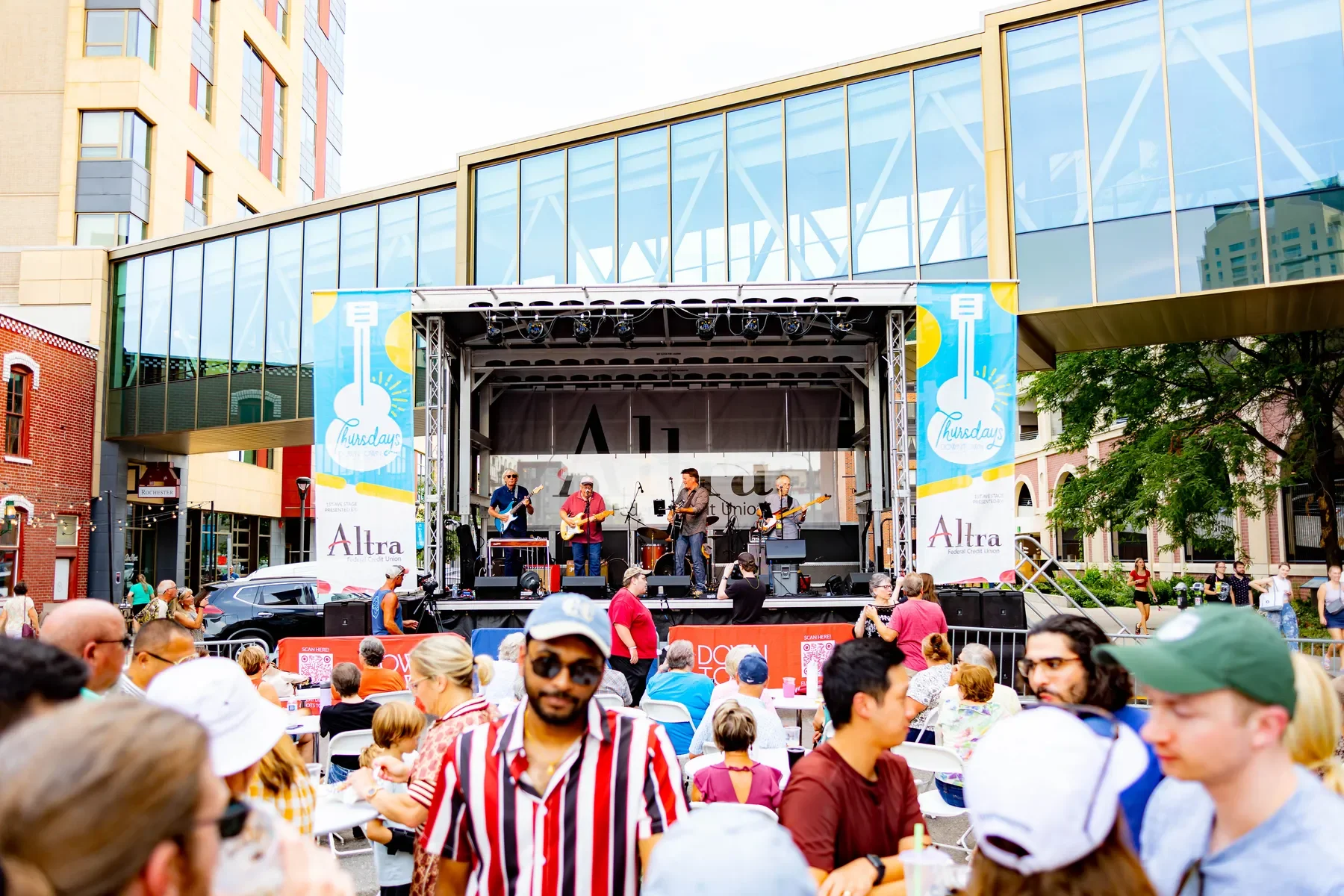
Rochester has grown well beyond the hospital. Downtown has seen real reinvestment with new restaurants, breweries, and the Mayo Civic Center hosting concerts and events year-round. The Douglas Trail and Root River system give you miles of biking and walking paths, and Quarry Hill Park is a favorite for hiking and cross-country skiing in winter. Four distinct seasons mean lake days in summer and skiing at nearby Coffee Mill or Welch Village in winter. It’s a small enough city that you’ll run into people you know at the grocery store, but large enough to have real culture, dining, and things to do.


Matt’s Perspective
I’ve watched a lot of families move here for Mayo Clinic, and the ones who land well almost always do one thing differently: they pick their neighborhood based on their actual daily life, not just the listing photos. A resident starting a demanding rotation needs a short commute more than a big yard. A family with school-age kids needs to know the district boundaries before they fall in love with a house. I’d rather spend an extra hour walking you through the tradeoffs up front than have you make a decision you regret after the move. That’s the whole reason this guide exists.
Frequently Asked Questions
-
Not necessarily, but starting your search early makes a real difference. Residents and fellows often begin working with me 3-6 months before their start date so we can tour homes during a visit, understand credentialing timelines, and have a plan in place before the badge and parking logistics kick in.
-
It depends heavily on where you’re moving from, but Rochester is generally more affordable than most major metros. Median home prices run in the high $300s to mid $400s, property taxes are moderate, and there’s no state income tax cliff to worry about beyond Minnesota’s standard rates. I share a detailed cost breakdown with every client so you can compare it directly to your current city.
-
Completely reasonable, especially if you’re not sure yet which neighborhood fits or you’re only planning to be here for a fixed residency term. Many physicians rent for the first 6-12 months to get a feel for commute times and neighborhoods before committing. I can help with both rental leads and the eventual purchase when you’re ready.
-
Both. I connect clients with trusted local movers, help you understand school district boundaries before you commit to a neighborhood, and can point you toward pediatricians, daycare options, and other essentials people ask about most. Moving somewhere new means a lot of small decisions, and I’d rather you not have to figure them all out alone.
-
Yes, and it happens more often than you’d think, especially with residents matching into Mayo from out of state. I do video walkthroughs, connect you with a trusted local inspector, and handle as much of the process remotely as possible. Some clients don’t see their new home in person until closing day.
-
Reach out for a quick call, even if your move date is still months away. There’s no obligation and no cost. I’ll ask about your timeline, priorities, and budget, then point you toward the neighborhoods and resources most relevant to your situation, whether that’s this guide, the Schools page, or the Mayo Clinic Resources page.
Ready to Start Planning Your Move?